
CASE STUDY: CUSTOMER SPECIFICATIONS
An American manufacturer specializes in outdoor products such as coolers, stainless steel drinking vessels, and other accessories. This company not only manufactures these products but also offers customization. During the manufacturing and customization process, problems can arise that require creative, innovative solutions.
THE CHALLENGE
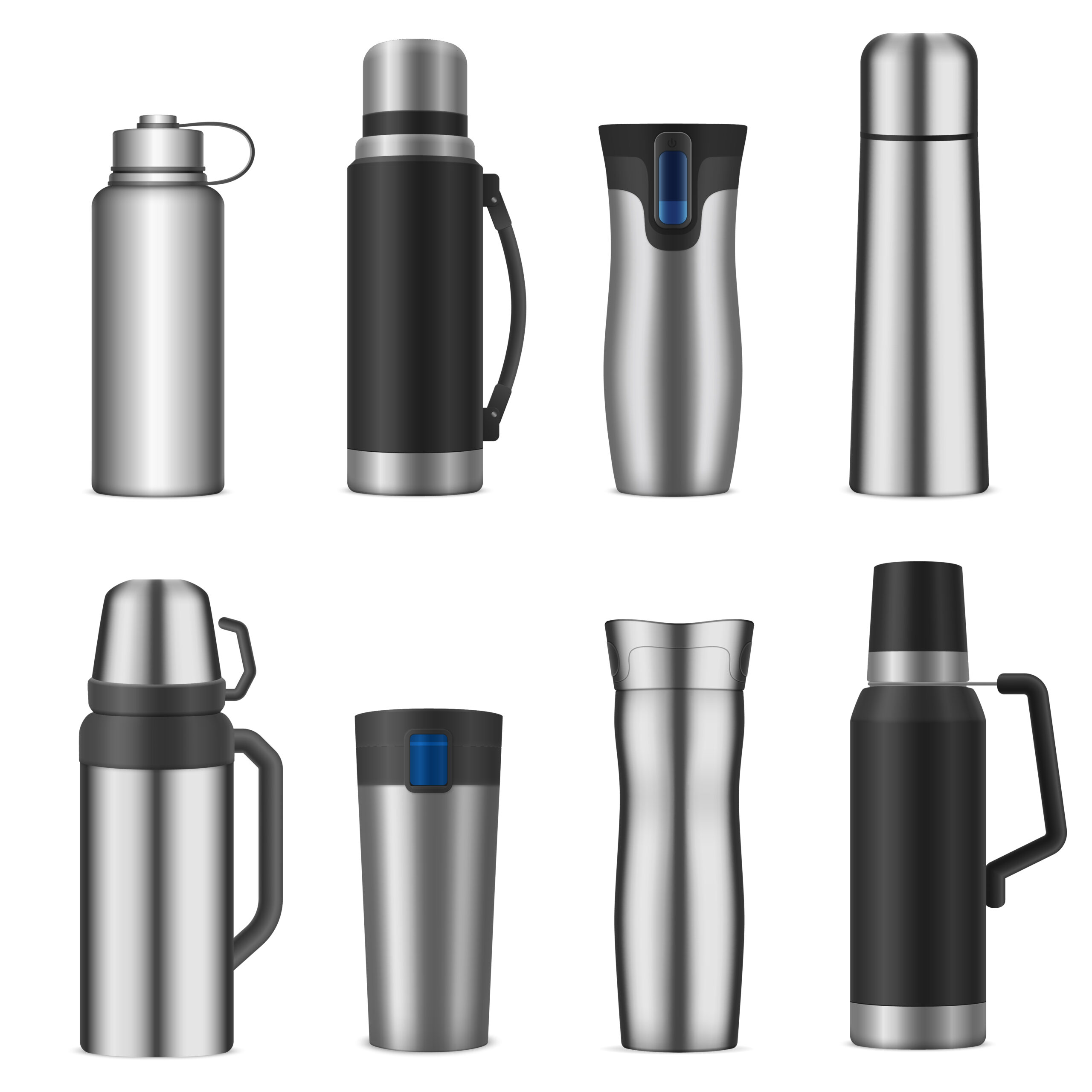
During the manufacturing process of the stainless steel drinking vessels, the products undergo a laser ablation process using a CO2 laser to add logos and other customizations. The customer's products consist of a stainless steel base with a plastic layer surrounding it, available in various colors and designs. Once the drinking vessels are fully manufactured, a challenge lies in the laser ablation process. During this process, a CO2 laser vaporizes the outer plastic layer, revealing the underlying stainless steel in the form of a logo or design. For this to work, the surface of the drinking vessels must be completely free of particles. This company faced the problem that rubbery powder coating particles from previous steps adhered to the drinking vessels, making it difficult to clean them before the laser ablation process.
THE SOLUTION
The rubbery powder coating particles were difficult to wipe off the products without assistance. The product quality team decided that the most effective way to remove the particles was to assist the area with warm air, which then facilitated wiping with a small amount of denatured alcohol. The team opted for the Vortec hot air blower 609-1, because it used a gentle air pressure, which was less aggressive than that of electric hot air blowers. The manufacturer also benefited from the design of the hot air guns, as they were able to reuse existing low-PSI compressed air lines that led directly to their laser head.
THE RESULT
The Vortec hot air gun was installed on the line before the laser ablation process. The hot air gun was able to heat the area of the drinking vessel containing rubbery powder coating particles sufficiently for the operator to easily wipe the area with a small amount of denatured alcohol. Once the area was wiped clean, the product could immediately proceed to the laser ablation step of the process. Previously, the process involved sending the products to a separate washing area, soaking them in alkaline water, and then scrubbing them clean. By implementing the hot air gun into its production process, the manufacturer was able to improve the process and the overall production time for the drinking vessel line.
HOW THE HOT AIR BLOWER WORKS
Hot air blowers are used where milder heat is required compared to an electric heat gun. They are ideal for preheating parts, processes, and solutions with an output flow of 2-8 scfm; and are also commonly used for softening adhesives, rubber, and vinyl, and for accelerating drying. The hot air blower requires no electricity at the target and uses only filtered compressed air to produce fully adjustable temperatures up to 200°F. Learn more here More about the Vortec hot air blower.
Source: Hot Air Gun heats up production for Drinkware line (vortec.com)